In 2026, the Great Housing Reset has changed how we live. Micro living is now a smart choice for many people. But living in one room is hard. You might feel spatial fatigue. This happens when your bed, desk, and kitchen table all look like one big pile of furniture.
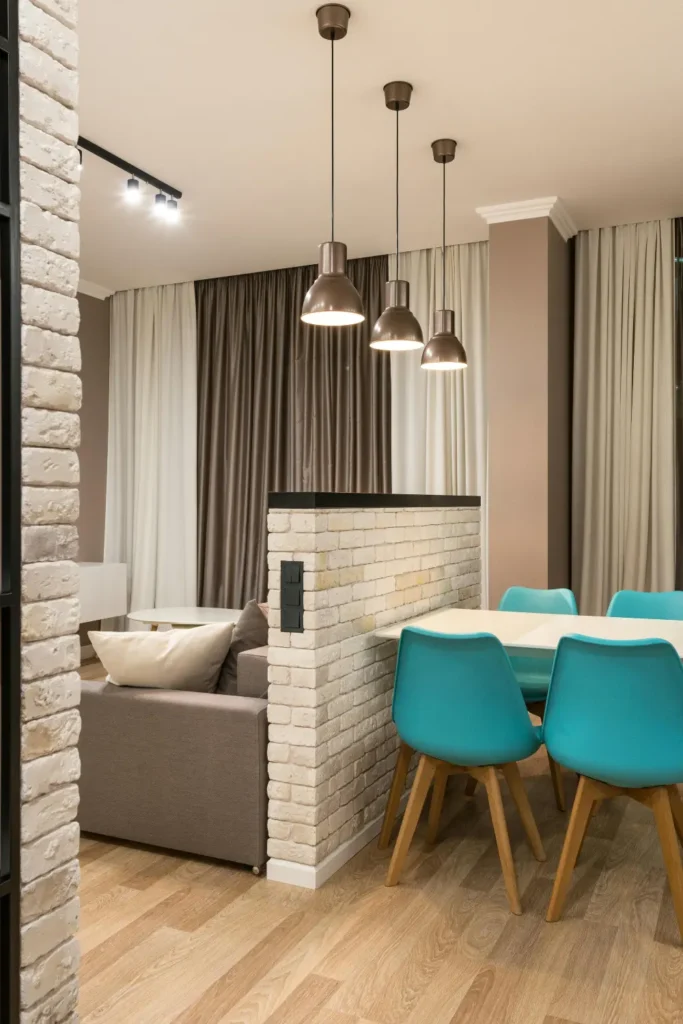
It makes your brain feel messy. You need a way to fix this. You can create invisible walls. This guide shows you how to use light and rugs to make functional zones. You will learn new studio apartment layout ideas 2026. These tips help you start zoning a small space without building real walls.
The Psychology of Zoning: Why Your Brain Needs Boundaries
Spatial Fatigue Simulator
Place items to lower cortisol. Don’t let your “Work” items touch your “Sleep” zone.
Myth vs. Reality: Most people think a small room is just a small room. In reality, your brain treats it like a puzzle.
Scientists talk about Attention Restoration Theory. It means your brain needs a break from work to rest. If you see your laptop from your bed, your brain stays in work mode. This can raise your stress levels. A messy room makes your body produce more cortisol. That is the stress hormone. You need a psychological anchor. This is a clear spot for one specific task. Your bed should be for sleep. Your desk should be for work. Keeping them separate is a big part of staying healthy.
Recent data shows more people are moving into tiny apartments in big cities. Micro apartment demand has grown 17 percent in crowded areas. Making these mental zones is now a survival skill for city life.
TL;DR: Your brain needs separate spots for work and rest to keep stress low.
- Keep work gear out of sight from the bed.
- Pick one corner for one activity only.
- Use physical markers to tell your brain where a zone starts.
Action Step: Move one item today that bridges two zones. Put your laptop in a drawer when you finish work.
Use Rugs to Anchor Invisible Rooms
Rug Zoning Master
Zone your 2026 studio apartment without walls.
Layout Complete!
Myth vs. Reality: You might think you need a tall screen to divide a room. Actually, you just need a rug on the floor.
Rugs act like boundaries for your feet. Follow the all legs on the rug rule for your living area. This makes the space feel like its own room. For your sleeping spot, try the front legs only rule. In 2026, experts suggest specific sizes for best results. Use a 5×8 rug for your work desk. Use a larger 8×10 rug to mark your main seating area.
The material matters too. Use a flat jute rug for spots where you walk a lot. Put a soft, plush rug near your bed. This creates a sanctuary zone. Rugs are great visual room dividers. They do not block the light. They just tell your brain where one room ends and the next begins.
- 5×8 rugs: Best for work zones.
- 8×10 rugs: Best for seating areas.
- Jute material: Best for high traffic.
- Plush material: Best for sleeping spots.
Action Step: Measure your main floor space. See if a larger rug could help define your living room.
Lighting as a Spatial Barrier
Lighting Layering Challenge
Turn one room into functional zones using light.
Result Title
Myth vs. Reality: One bright light in the middle of the ceiling is enough. That is false. It makes your apartment look like a hospital.
Once you fix your floors, look at your lights. You need layers. Use a small lamp on your desk for task lighting. Add dimmable LEDs for ambient light. Put a floor lamp in a corner for accent lighting.
In 2026, smart lighting is a must. You can use tools like Hue to set scenes. You can have a work scene with bright white light. Then you can switch to a relax scene with warm orange light. This changes how the room feels without moving any furniture. Lighting designers call this vertical surface perception. It makes your walls feel further away. It creates a wall of light that separates your kitchen from your couch.
- Task light: For reading or typing.
- Ambient light: For general mood.
- Accent light: For style and depth.
- Smart scenes: For changing zones instantly.
Action Step: Turn off your big ceiling light tonight. Use only small lamps to see how the room changes.
Furniture Placement That Acts as a Wall
Studio Layout Architect
Stop putting your furniture against the wall.
Myth vs. Reality: All your furniture must touch a wall. This is a mistake that makes a room feel flat.
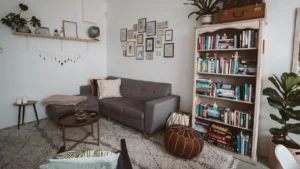
You can use your furniture to build a wall. Try the floating sofa technique. Turn your couch so the back faces your bed. Now you have a living room and a bedroom. Use open shelving units to hold your books. These allow light to pass through. But they still block the view of your bed.
A big trend for 2026 is using plants as walls. These are called biophilic dividers. Tall snake plants work well. You can also use floor to ceiling poles to hold small pots. This brings nature inside. It also makes your small studio apartment layout feel fresh. These items are better than solid walls because they keep the space airy. The micro housing market is growing fast. It is expected to reach 86 billion dollars by 2030. This means more furniture will be made just for these small spaces.

- Place your sofa in the middle of the floor.
- Add a low shelf behind the sofa.
- Line up tall plants to create a green wall.
- Keep walkways clear to avoid clutter.
Action Step: Pull your sofa six inches away from the wall. See if it creates a better flow.
Conclusion
Micro-Living Mastery
Anchor with Rugs
Use textiles to create visual boundaries on the floor without blocking light or traffic.
Layer Your Lighting
Stop “hospital lighting.” Use warm lamps to define functional pools of light for work or rest.
Biophilic Privacy
Plants act as breathing walls, providing soft separation and cleaning the air.
Mental Recovery
Zoning tells your brain where to switch off, lowering stress in tiny spaces.
Zoning is not about making your home feel smaller. It is about making every inch useful. When you create these zones, you give your brain a place to rest. You turn one room into a home. You can use rugs, lights, and plants to do this. Each choice makes your life easier. It stops the stress of living in a crowded space.
How to create zones in a small studio apartment is a skill you can learn. Try one tip this week. You might be surprised at how much better you feel. Share your best zoning hack in the comments below. You can also download our 2026 Studio Layout Checklist for more help.